What is Physical AI? The 2026 Embodied Hardware Paradigm Shift
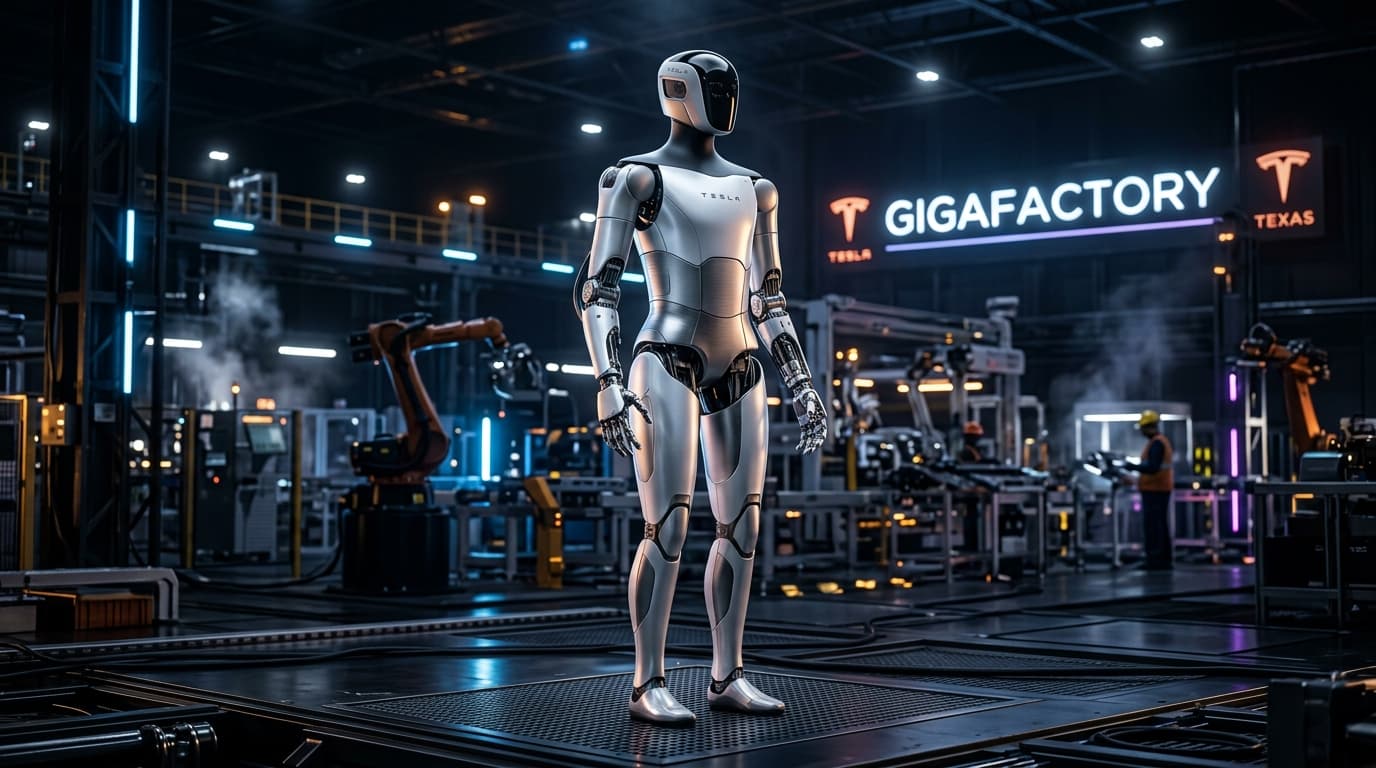
For decades, artificial intelligence was confined to screens and cloud data centers—processing text, code, and 2D pixels. As NVIDIA CEO Jensen Huang highlighted, Physical AI marks the inflection point where AI models gain spatial understanding of gravity, friction, mass, and three-dimensional physics.
Three Waves of Physical Hardware Adoption
Wave 1: Industrial Automation (2024 - 2027)
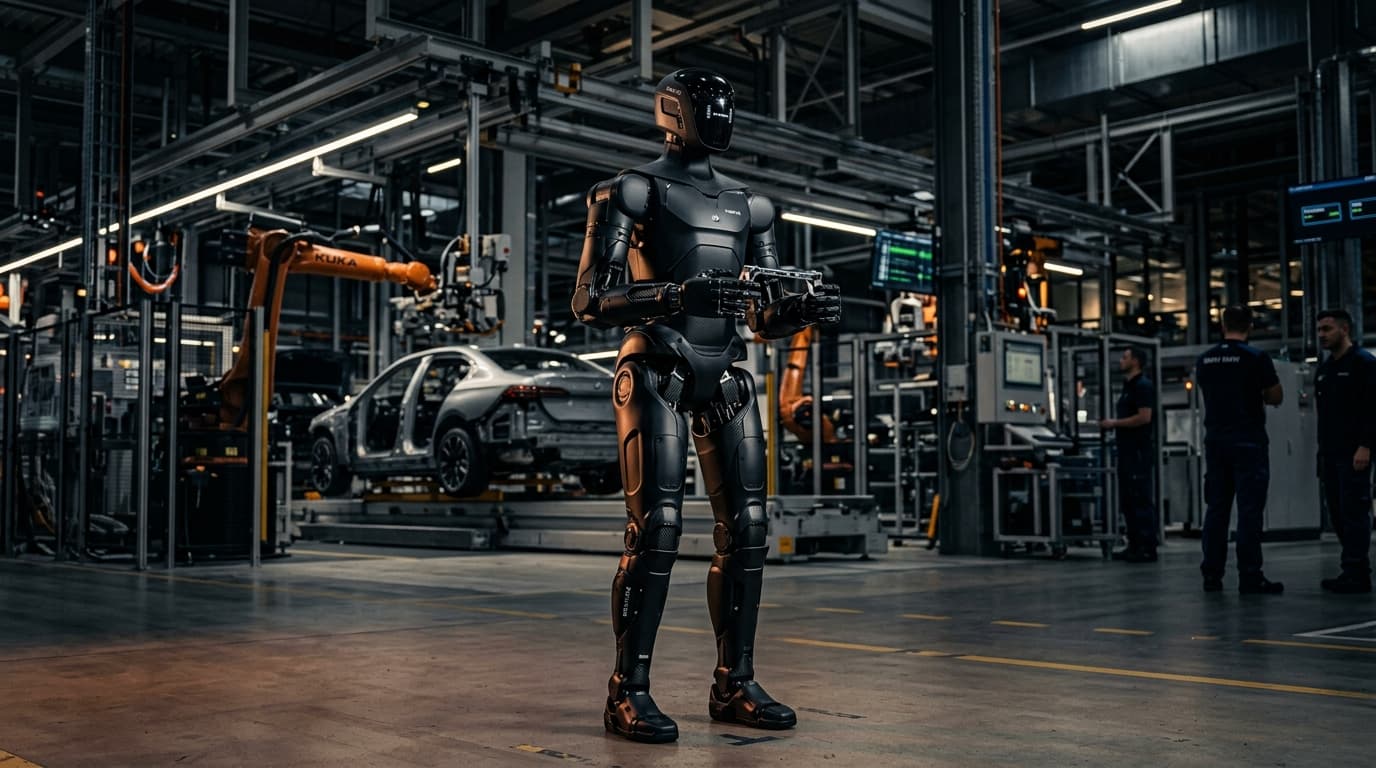
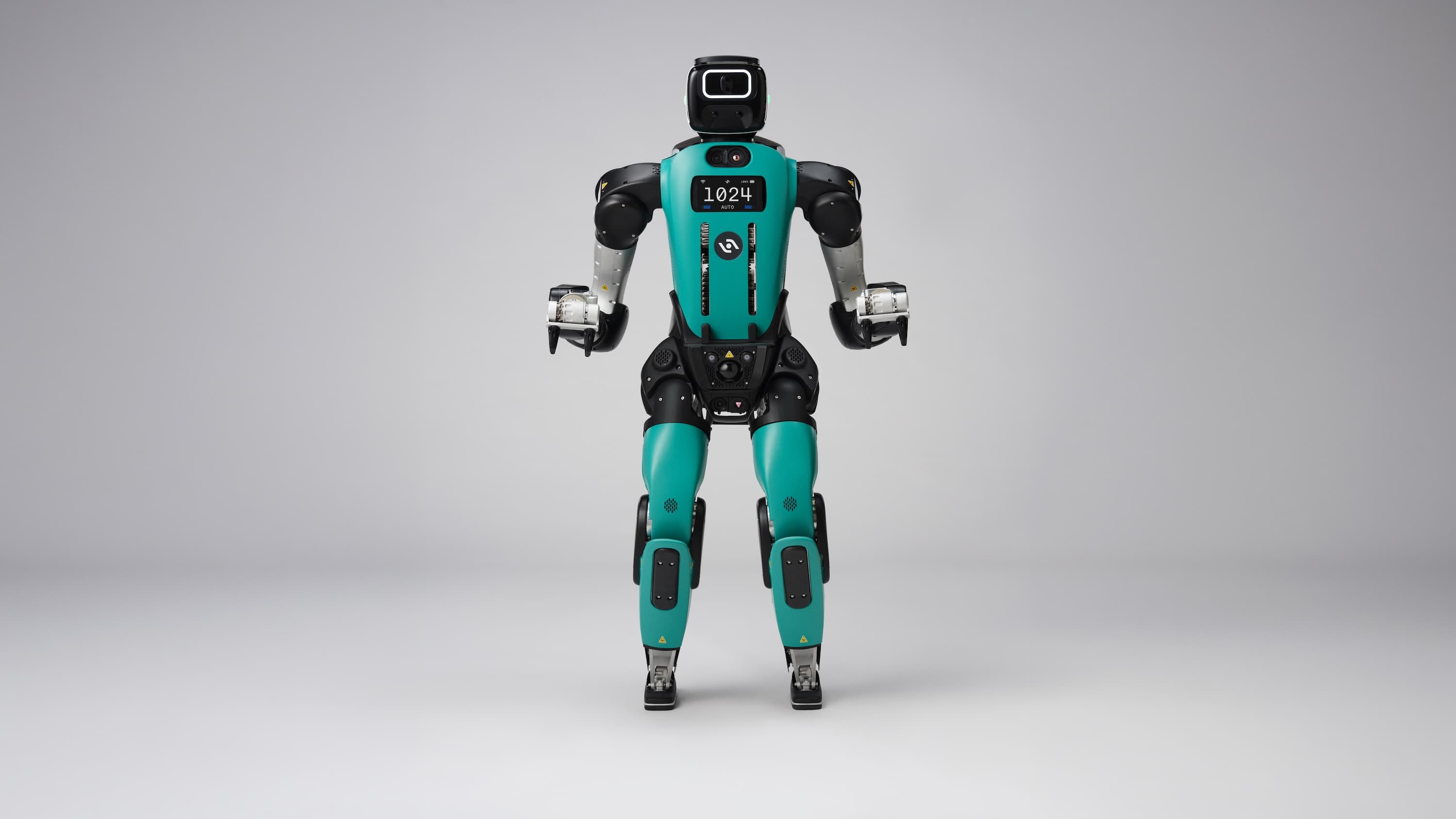
Robots like Figure 02 and Agility Digit deployed in structured environments (BMW automotive stamping, Amazon tote handling) to address severe blue-collar labor shortages.
Wave 2: Commercial Services & Research (2026 - 2028)
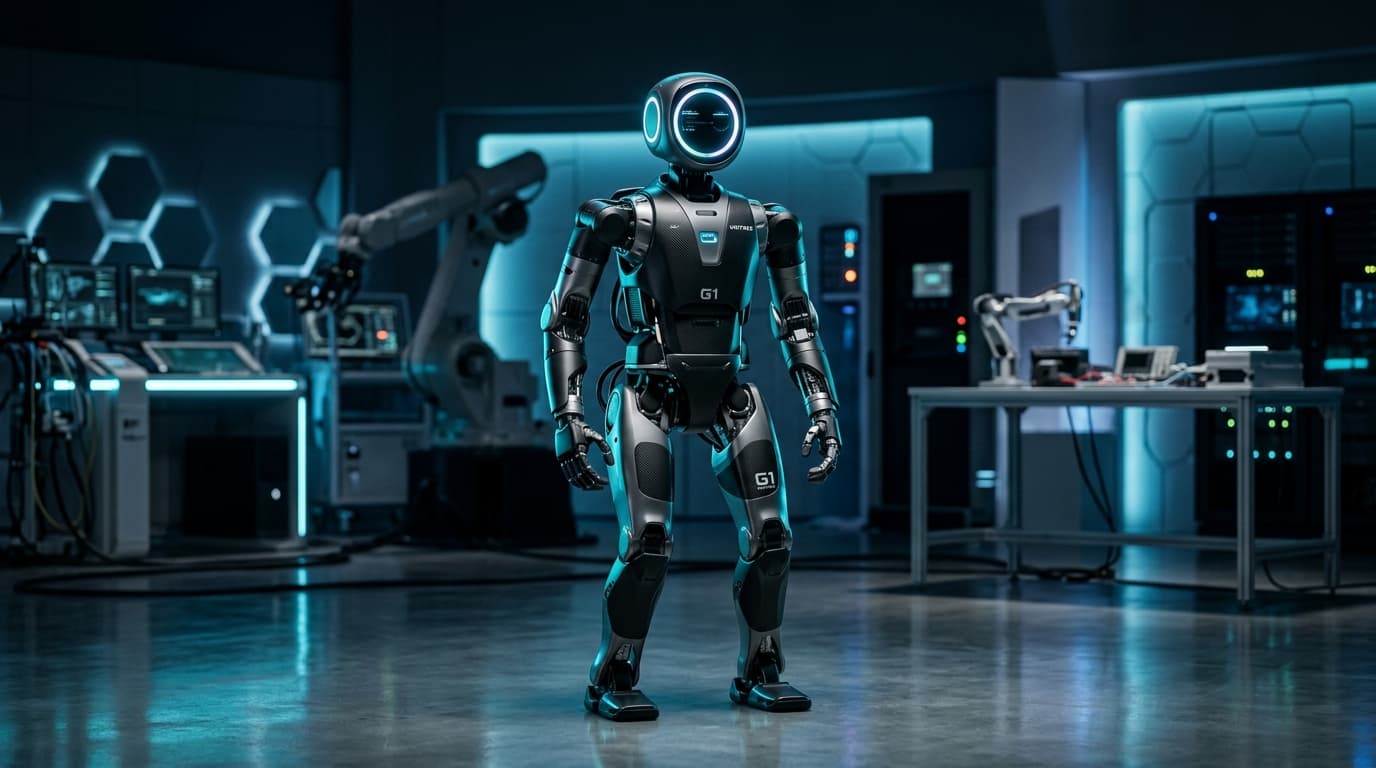
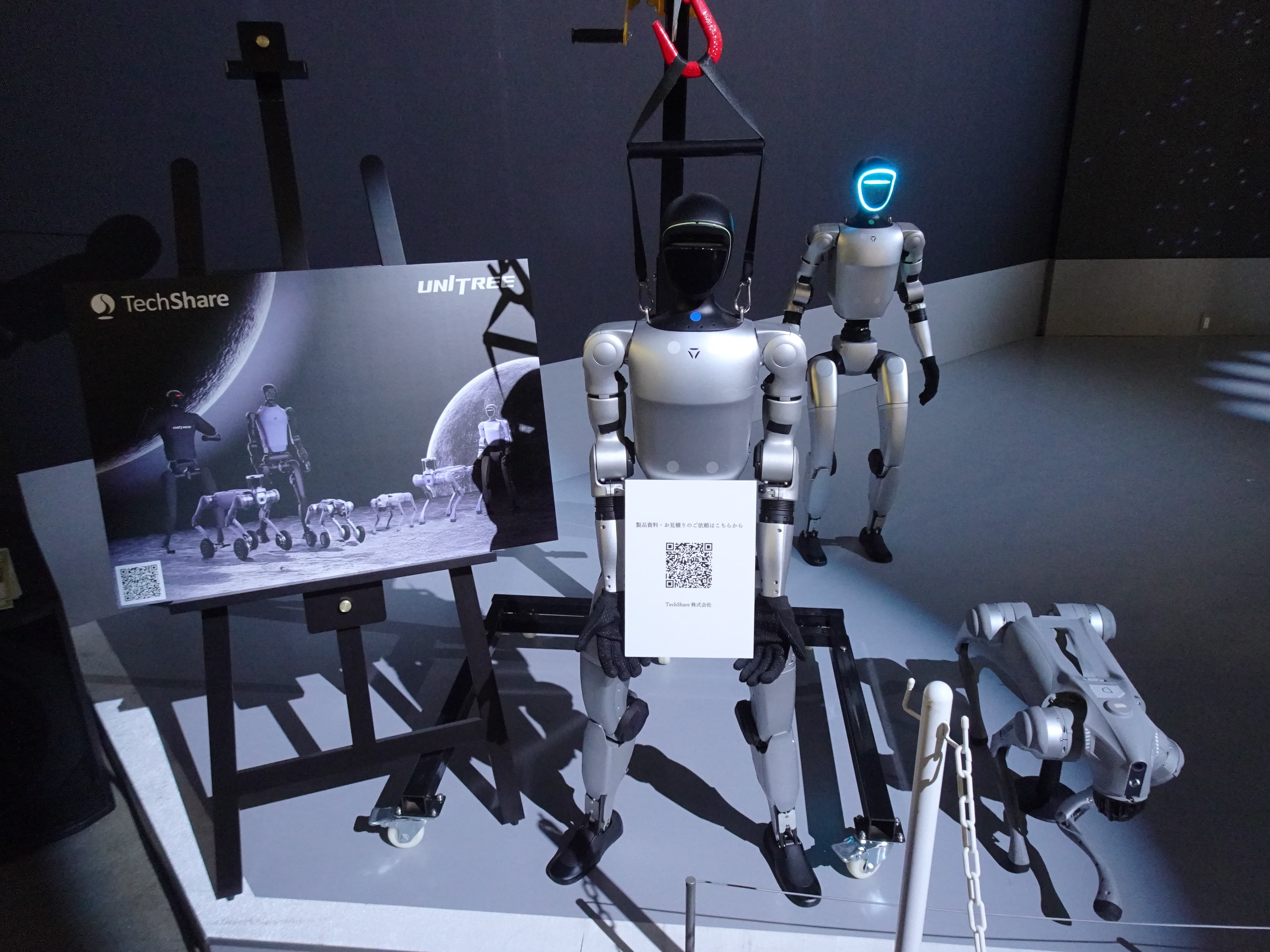
High-volume, affordable platforms like Unitree G1 ($16,000) commoditize humanoid hardware for universities, inspection patrols, and hazardous facilities.
Wave 3: Consumer Living & Home Companions (2028+)
Ultra-lightweight soft-bodied humanoids like 1X NEO (30kg) and consumer quadrupeds entering household living rooms for daily chores and elder assistance.